How to Cut Your Energy Bills by 25%: Smart Home Upgrades That Actually Pay Off
Oct 21, 2025
If you’re a homeowner in New Jersey or Pennsylvania, you’ve felt the sting. Your energy bills have jumped dramatically, and every month brings another unwelcome surprise when you open that utility statement. You’re not alone, and you’re not imagining it.
The numbers tell the story: In June 2025, New Jersey electricity rates increased 17-20%, adding $20-25 to the average monthly bill. Pennsylvania homeowners face similar increases. With winter heating and summer cooling demands, many families now spend $400-500 monthly on energy costs—money that could fund vacations, college savings, or retirement.
The good news? You have more control than you think. Strategic home energy upgrades can reduce your energy consumption by 25% or more, putting hundreds of dollars back in your pocket every month. Better yet, many of these improvements qualify for substantial federal tax credits—but only through December 31, 2025.
After 35 years of helping New Jersey and Pennsylvania homeowners improve their homes’ efficiency, we’ve seen which upgrades actually deliver results and which are just expensive distractions. This guide cuts through the marketing noise to show you exactly where to invest for maximum savings.
Why Your Energy Bills Are Climbing (And What You Can Do About It)
Understanding why costs are rising helps you see why efficiency upgrades make more financial sense than ever.
The June 2025 rate increases stem from wholesale electricity market dynamics, infrastructure costs, and surging demand. While you can’t control utility rates, you absolutely can control how much energy you use. Every kilowatt-hour you don’t consume is money you don’t spend—regardless of how high rates climb.
Here’s the uncomfortable truth: Most homes built before 2000 waste 25-40% of their energy through inefficient windows, inadequate insulation, air leaks, and outdated HVAC systems. Your home might have been reasonably efficient when built, but building science and energy technology have advanced dramatically. Today’s efficiency standards would have seemed impossible 20 years ago.
The escalating cost reality: Energy rates will likely continue rising. Infrastructure modernization, climate-driven demand surges, and grid reliability improvements all require substantial investment—costs ultimately passed to consumers. Some projections suggest continued rate increases through 2026. Every dollar you invest in genuine efficiency upgrades becomes more valuable as rates climb.
The Real Cost of Doing Nothing
Let’s quantify what inaction costs. Consider a typical 2,000 square foot home in our region with $250 monthly energy bills (a conservative estimate given current rates).
If this home wastes just 25% of its energy—completely normal for homes with original windows, minimal insulation upgrades, and aging HVAC—that represents $62.50 monthly or $750 annually in unnecessary costs. Over five years, that’s $3,750 wasted. Over the typical 10-15 years homeowners plan to stay in their homes, that’s $7,500-11,250 literally thrown away.
Now factor in rising rates. If energy costs increase just 3% annually (modest given recent trends), that same inefficiency costs you $8,200-13,000 over 10-15 years.
Get Your New Roof Now. $0 Down + No Payments Until 2028 +
Free Roof/Attic Inspection
Recent Posts
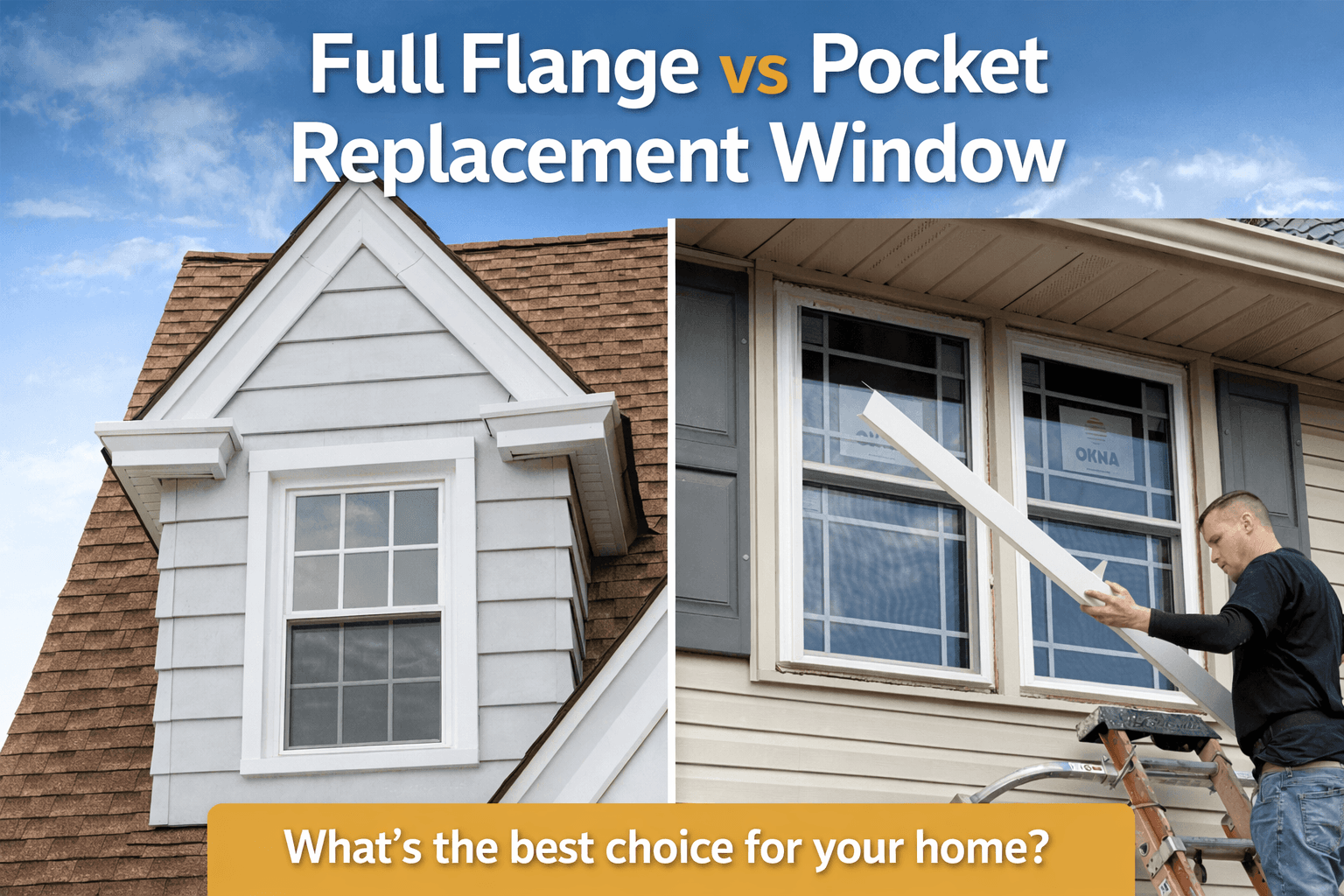
If you’re replacing windows, you’ll almost always hear two terms: full flange (new construction) windows and pocket (insert) replacement windows...
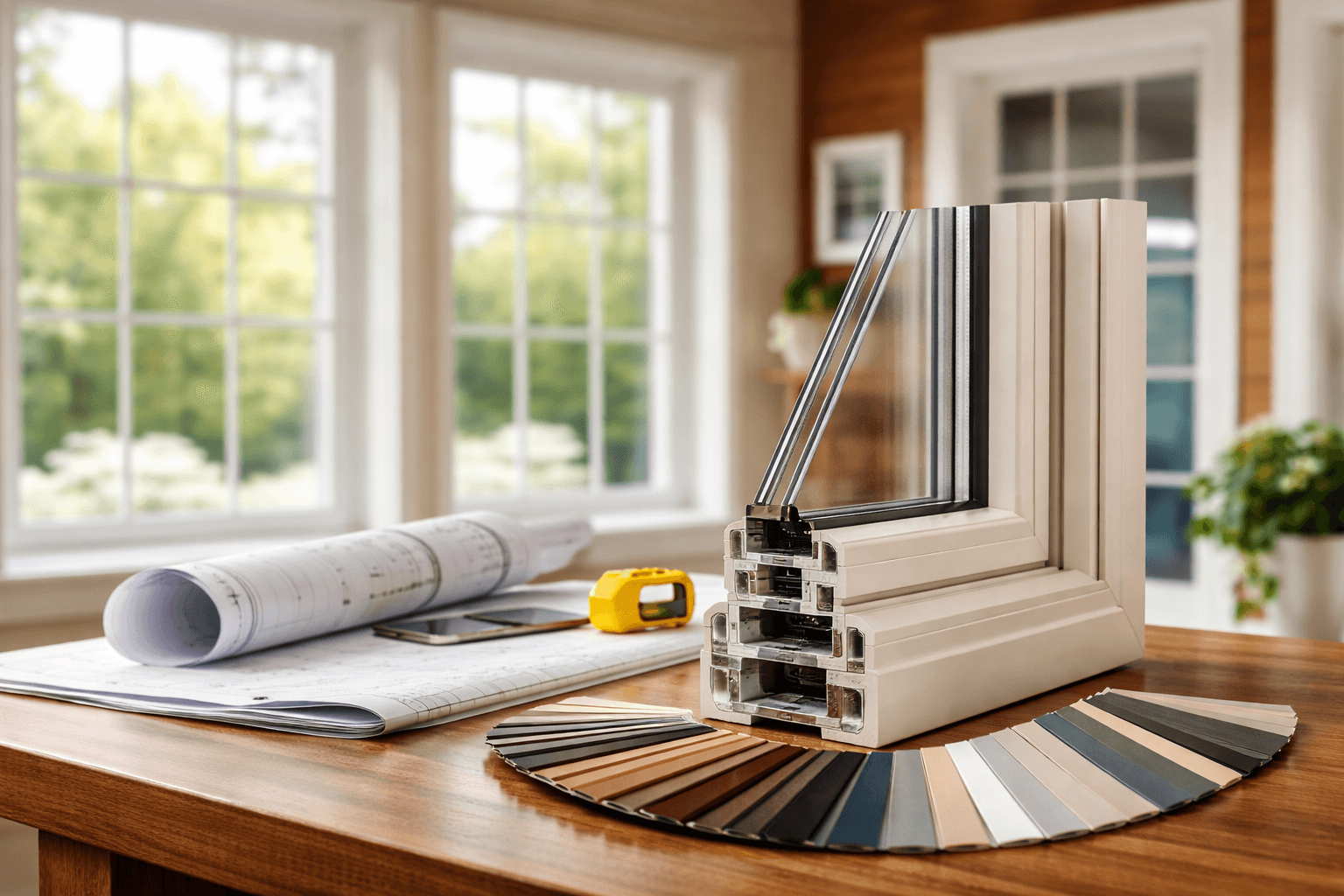
Choosing replacement windows doesn’t have to be complicated.
Contrary to popular belief, winter is an excellent time for significant home upgrades, particularly window and siding replacement...
Meanwhile, your home’s value suffers. Home buyers increasingly prioritize energy efficiency, with efficient homes commanding premium prices. Old windows, poor insulation, and outdated systems become negotiating points that reduce your sale price or slow your sale.
The secondary costs hurt too: Discomfort from drafty rooms and temperature inconsistencies, premature HVAC system failure from overwork, and potential moisture damage from inadequate ventilation and air sealing.
Start Here: Your Home Energy Assessment
Before spending a dollar on upgrades, understand where you’re losing energy. Guessing wastes money on improvements that don’t address your specific problems.
Professional Energy Audit
A professional home energy audit qualifies for a $150 federal tax credit and provides detailed analysis of where you’re losing energy. Auditors use thermal imaging, blower door tests, and combustion safety testing to identify:
- Air leakage locations and severity
- Insulation gaps and inadequacies
- HVAC efficiency and ductwork condition
- Window and door performance
- Moisture and ventilation issues
Most audits cost $300-500 but provide a prioritized list of improvements with projected savings for each. With the tax credit, your net cost is $150-350—money well spent to avoid expensive mistakes.
DIY Assessment
If you prefer starting with self-assessment, look for these common efficiency problems:
- Windows: Hold your hand near closed windows on cold or hot days. Feel temperature differences or air movement? Your windows are leaking. See condensation between panes? The seals have failed and insulating gas has escaped. Difficult to operate? Hardware and weatherstripping have deteriorated.
- Insulation: Check your attic. If you can see the tops of your ceiling joists, you have insufficient insulation. Most attics in our region should have R-49 to R-60 insulation (16-20 inches of fiberglass or cellulose).
- Air leaks: Look for gaps around windows and doors, recessed lights penetrating the attic, basement rim joists, and any places where utilities enter your home. On windy days, hold a lit incense stick near suspected leak areas—smoke movement reveals air flow.
- HVAC: If your system is 15+ years old, it’s likely operating at significantly reduced efficiency. Notice uneven temperatures between rooms? Ductwork may be leaking or poorly designed.
The Top 5 Upgrades That Deliver Maximum Savings
Based on our three and a half decades of experience and current energy cost realities, these five improvements deliver the highest return for New Jersey and Pennsylvania homeowners:
1. Window Replacement with High-Performance Glass (Top Priority)
Average savings: 15-25% reduction in heating and cooling costs
Typical cost: $895-$1,595 per window installed
Payback period: 8-12 years
Tax credit: Up to $600 for qualifying windows
Windows represent the single largest source of energy loss in most homes. Proper air sealing and insulation, including window replacement, can save up to 10% on annual energy bills and deliver a 107% return on investment at resale.
Why windows matter so much: Your windows cover substantial wall area—typically 15-20% of your exterior surface. Unlike insulated walls with R-values of R-13 to R-21, even quality double-pane windows have R-values of just R-3 to R-4. Single-pane windows offer virtually no insulation (R-1). When windows fail, you’re essentially leaving holes in your home’s thermal envelope.
Modern energy-efficient replacement windows with Low-E coatings and argon gas fills dramatically outperform older windows. Low-E glass technology reflects interior heat back inside during winter and exterior heat away during summer, while still allowing visible light transmission.
Real-world impact: A home with 15 original single-pane or early double-pane windows (25+ years old) losing $50 monthly through those windows would save $600 annually with quality replacement windows. Over 20 years, that’s $12,000 in savings—more than paying for the windows while dramatically improving comfort and home value.
What to look for: ENERGY STAR certified windows appropriate for our Mid-Atlantic climate zone, U-factor of 0.30 or lower, Low-E coatings, argon or krypton gas fills, and quality vinyl or fiberglass frames from a manufacturer with strong warranties.
2. Attic Insulation and Air Sealing
Average savings: 10-15% reduction in energy costs
Typical cost: $1,500-3,500 for average home
Payback period: 3-7 years
Tax credit: 30% of costs up to $1,200
Heat rises. In winter, your expensive heated air migrates to your attic and escapes if insulation is inadequate. In summer, superheated attic air radiates down into your living space, making your air conditioner work overtime.
The EPA reports that proper air sealing and insulation can save up to 10% on annual energy bills with remarkable 107% return on investment when you sell.
The two-step approach: Air sealing must come before adding insulation. Sealing bypasses—gaps where air flows between living space and attic—prevents your insulation from becoming a highway for air movement. Common bypasses include gaps around recessed lights, plumbing and wiring penetrations, attic hatches, and chimney chases.
After sealing, add insulation to reach R-49 to R-60 for our climate. If your attic currently has R-19 (typical in older homes), upgrading to R-49 can cut heat loss through your ceiling by more than 60%.
Beyond the attic: Don’t overlook basement rim joists (the band of wood sitting on your foundation wall). These are often completely uninsulated and represent significant heat loss. Sealing and insulating rim joists typically costs $500-1,000 and delivers quick payback.
3. Air Sealing Throughout the Home
Average savings: 5-15% reduction in energy costs
Typical cost: $500-1,500 for comprehensive sealing
Payback period: 2-5 years
Tax credit: Included in insulation credit
Air leakage wastes more energy than most homeowners realize. Statistics suggest drafts let out up to 30 percent of a home’s heat or air conditioning. All the insulation in the world can’t overcome air leaks—moving air carries heat far more effectively than conduction through materials.
Priority areas: Focus on the biggest leaks first. Basement rim joists, attic bypasses, old windows and doors, recessed lighting, and gaps where utilities penetrate walls typically account for 70-80% of air leakage.
Professional vs. DIY: While homeowners can seal visible gaps with caulk and weatherstripping, professional air sealing addresses hidden leaks. A blower door test (part of an energy audit) quantifies leakage and helps prioritize sealing efforts.
Important note: As you make your home tighter, proper ventilation becomes essential. Work with professionals to ensure you’re not creating indoor air quality problems while improving efficiency.
4. HVAC System Upgrade or Optimization
Average savings: 20-40% reduction in heating/cooling costs
Typical cost: $2,000-6,000+ for heat pump; $500-2,000 for duct sealing
Payback period: 5-10 years for system; 2-4 years for duct sealing
Tax credit: Up to $2,000 for heat pump systems
Your heating and cooling system represents your home’s largest energy consumer—typically 40-50% of total energy use. Modern heat pumps reduce heating energy use by about 65% compared to conventional systems, with 104% ROI at resale.
Two approaches: If your HVAC system is 15+ years old, replacement with a high-efficiency heat pump or furnace makes financial sense. Modern systems operate at 95%+ efficiency compared to 65-80% for older equipment.
If your system is newer but bills remain high, the problem may be ductwork. Ductwork might be silently wasting 20-30% of the heated or cooled air you’re paying for. Duct sealing and insulation costs far less than system replacement yet often delivers dramatic improvements.
Heat pump advantages: Modern cold-climate heat pumps work effectively in our region’s winters while providing summer cooling. They eliminate the need for separate heating and cooling systems, use electricity rather than gas or oil, and qualify for substantial federal tax credits.
5. Smart Home Energy Management
Average savings: 10-15% reduction in energy costs
Typical cost: $150-300 for smart thermostat; $200-500 for comprehensive system
Payback period: 1-3 years
Tax credit: May be included in HVAC system credits
Programmable thermostats can save 10-15 percent on utility bills by automatically adjusting temperatures when you’re away or sleeping. Modern smart thermostats learn your schedule, adjust for weather, and can be controlled remotely.
Beyond thermostats: Smart power strips eliminate vampire loads from devices in standby mode. LED lighting with smart controls ensures lights aren’t wasting energy when rooms are unoccupied. Smart window treatments can block intense afternoon sun in summer while maximizing passive solar gain in winter.
The monitoring advantage: Many smart systems provide detailed energy usage data, helping you identify wasteful patterns and equipment problems before they become expensive.
Federal Tax Credits: Act Before December 31, 2025
The federal government’s energy efficiency tax credits expire December 31, 2025. These credits can substantially reduce your out-of-pocket costs, but time is running short.
Energy Efficient Home Improvement Credit
This credit allows up to $3,200 annually—$1,200 for general improvements and $2,000 for heat pumps or biomass equipment—covering 30% of qualifying costs.
What qualifies:
- Windows and skylights: Up to $600 credit
- Exterior doors: Up to $500 total ($250 per door)
- Insulation and air sealing: Up to $1,200
- Heat pumps (air source): Up to $2,000
- Heat pump water heaters: Up to $2,000
- Home energy audits: Up to $150
Critical 2025 requirement: Starting in 2025, manufacturers must provide a Qualified Manufacturer Identification Number (QMID) for each product to qualify for credits. When purchasing, verify the product has a QMID and keep all documentation.
Residential Clean Energy Credit
For solar panels, geothermal heat pumps, and battery storage, you can claim 30% of costs with no annual dollar limit. This credit also expires December 31, 2025.
Strategic Planning: Given annual limits, consider spreading major improvements across two years to maximize credits. For example: windows and insulation in 2025 ($1,800 total credit), then heat pump system in 2026 if credits are extended—or complete everything by year-end if they’re not.
Action required: To claim 2025 credits, improvements must be completed and placed in service by December 31, 2025. Large projects can take months to schedule and complete, so act now.
Creating Your Energy Savings Plan
With limited budgets, prioritize improvements strategically:
Start with assessment
Spend $300-500 on a professional energy audit. This prevents expensive mistakes and ensures you address your home’s specific problems rather than guessing.
Phase your improvements
Few homeowners can tackle everything at once. Create a 2-3 year plan that addresses the biggest energy wasters first while coordinating work to minimize disruption.
Consider financing
Energy efficiency improvements pay for themselves through savings. A home equity line, energy-efficient mortgage, or manufacturer financing program can make comprehensive improvements affordable while you capture immediate savings and tax credits.
Coordinate related work
Planning a kitchen remodel? That’s the time to upgrade windows in that area. Replacing siding? Perfect opportunity to add exterior insulation and seal air leaks. Coordinating related projects saves money on labor and staging.
Don't sacrifice quality for budget
One quality window replacement done right saves more energy than three cheap windows poorly installed. Work with reputable contractors, verify warranties, and ensure all work meets code requirements—critical for claiming tax credits and protecting your investment.
At Window Place Plus, we help homeowners develop realistic efficiency plans that balance immediate needs, budget constraints, and long-term goals. Our free home consultations include honest assessments of where upgrades will provide the most value for your specific situation.
What to Expect: Timeline and ROI
Immediate impact (Week 1)
Air sealing and weatherstripping deliver instant comfort improvements. You’ll notice fewer drafts immediately, with measurable savings on your next utility bill.
Short-term payback (1-3 years)
LED lighting, smart thermostats, duct sealing, and weatherstripping typically pay for themselves within 1-3 years through direct energy savings.
Medium-term payback (4-8 years)
Window replacement, insulation upgrades, and door replacement usually achieve payback in 4-8 years, with continued savings for decades beyond.
Long-term payback (8-15 years)
Major HVAC system replacements may require 8-15 years for complete payback through energy savings alone—but remember, you would need to replace aging systems anyway. Doing so with high-efficiency equipment means your necessary expense also delivers ongoing savings.
Resale value impact
Energy-efficient improvements typically recoup 70-100%+ of costs at resale, with some improvements like insulation exceeding 100% ROI. New windows, updated HVAC, and demonstrable low energy bills make homes more attractive to buyers and support higher sale prices.
Cumulative effect
Energy savings compound. Windows + insulation + air sealing together save more than any improvement alone. A comprehensive approach to efficiency delivers the highest total return.
Take Control of Your Energy Costs Today
Energy rates will likely continue rising, but your response is entirely within your control. Every month you delay making efficiency improvements is another month of unnecessary energy waste.
The federal tax credits expiring December 31, 2025 represent a limited-time opportunity to substantially reduce the cost of improvements that would benefit you for decades. Combined with the urgent need to reduce energy consumption as rates climb, this creates a compelling case for action now rather than waiting.
At Window Place Plus, we’ve spent 35 years helping New Jersey and Pennsylvania homeowners reduce energy costs through quality window, door, and siding installations. We understand our region’s climate demands, we know which products perform best in real-world conditions, and we’re committed to honest guidance that serves your long-term interests.
Ready to start saving? Contact Window Place Plus today for a free, no-pressure home energy assessment. We’ll identify your specific energy waste issues, provide clear recommendations with projected savings, and help you develop a plan that fits your budget and timeline.
Schedule Your Free Energy Assessment | Explore Energy-Efficient Windows | Read Customer Success Stories
Frequently Asked Questions
Most homeowners implementing comprehensive efficiency improvements (windows, insulation, air sealing, HVAC optimization) save 20-30% on heating and cooling costs. With current energy rates in NJ and PA, this typically translates to $50-100+ monthly savings or $600-1,200 annually for average homes. Older, less efficient homes can see even higher savings—sometimes 35-40%.
For most homeowners, phasing makes sense. Start with an energy audit to identify priorities, then address the biggest problems first. Many homeowners do windows one year, insulation the next, allowing them to spread costs while capturing savings progressively. However, if tax credits expire or you’re planning to stay long-term, completing everything while credits are available may provide the best total value.
Yes, for several reasons. First, you recoup costs through energy savings over time—money you would have spent anyway on utilities now stays in your pocket. Second, improvements provide immediate comfort benefits and often prevent secondary damage (moisture, HVAC strain). Third, resale value increases, often recovering 70-100%+ of costs. Finally, as energy rates rise, your payback accelerates and savings grow.
For most homes in NJ and PA, window replacement delivers the best combination of energy savings, comfort improvement, and resale value. Windows are typically the largest source of heat loss, and old windows often have multiple failure modes (air leakage, seal failure, inadequate insulation). Quality replacement windows with Low-E glass address all these problems simultaneously.
Look for contractors licensed in your state, carrying proper insurance, with established local presence (physical office, not just a phone number). Check references, verify they understand tax credit requirements, and ensure they pull appropriate permits. For window installation, manufacturers often certify specific installers—this certification indicates training and quality standards. At Window Place Plus, our 35 years in the region and thousands of completed projects speak to our commitment to quality and customer satisfaction.
If you want to capture federal tax credits worth up to $3,200 annually, yes. Current energy efficiency tax credits expire December 31, 2025, and while Congress could extend them, that’s uncertain. Large projects like full-house window replacement or HVAC installation can take 2-3 months from consultation to completion, so delaying into late 2025 risks missing the deadline. Energy efficiency improvements make financial sense regardless, but tax credits can reduce costs by 20-30%.
Yes, they’re particularly valuable in our climate. NJ and PA experience temperature extremes—below-zero winter nights and 95+ degree summer days—stressing home systems year-round. Quality windows with proper Low-E coatings work both ways: retaining heat in winter and blocking it in summer. Insulation similarly helps year-round. Heat pumps now work efficiently even in our cold winters. The greater your seasonal temperature swings, the more value you gain from efficiency improvements.
Energy efficiency improvements still make sense. They increase your home’s marketability and support higher sale prices—buyers notice energy costs and prefer efficient homes. Some improvements like windows and doors also enhance curb appeal. Many projects recoup 70-100%+ of costs at resale, and improved windows or HVAC systems become selling points rather than negotiation issues. Even if you don’t capture full payback through energy savings before selling, you benefit from improved comfort while living there and higher resale value when you leave.
What Our Customers Are Saying
Great service and excellent pricing. Windows are great and look fantastic. I could not recommend more. If you need a painless experience without pushy salesman or prices that are astronomical, window place plus is your best choice!
Window Place Plus replaced our front door and did a great job. They were great to work with from the sales process to the install. Both our sales person, Jeff; PM, Rob; and installer, Tom were all awesome and incredibly helpful, communicative and friendly. I'll definitely be using them again in the future when we're ready to replace our siding and windows.
They did a great job. Highly recommend them they did exactly what they said they would plus Lifetime warranty on the window. You can’t beat that. I’ll definitely use them again for other windows in the future!
Jackie and Sergio were an absolute pleasure to work with. Their representative was very informative and the windows they install are beautiful and efficient! 5 stars
Thrilled with our new front door from The Window Place Plus. Tomasz was very helpful in selecting the perfect front door for our home. The choices Provia provides is unmatched and I couldn’t be more pleased with the install. I wanted to preserve our original 100 year old side lights and trim and they were able to install our new door no problem.
Had all windows in house replaced. It was a great experience from start to finish. Sales man was very knowledgeable, the windows were installed perfectly. The work crew knew what they were doing and it showed. They were responsive to any concerns I had and I am very happy with the results
Wonderful experience with The window place plus from beginning to end. It’s hard to find reliable contractors that show up and stay informative. The team was great!!! Would recommend them to everyone who is looking for window installation.



Visit Our Team
Mon-Fri: 8am – 8pm
Sat-Sun: 9am – 5pm