Vinyl vs. Wood vs. Fiberglass Windows: What’s Best for Your Home?
Jan 7, 2026
Choosing the right window frame material represents one of the most important decisions in your window replacement project. After 35 years of installing windows throughout New Jersey and Pennsylvania, we’ve seen how each material performs in real-world conditions. The right choice depends on your priorities, budget, home style, and long-term plans.
This guide provides an objective comparison of the three primary window frame materials available today: vinyl, wood, and fiberglass. Each has distinct advantages and limitations. Understanding these differences helps you make the best decision for your specific situation.
Understanding Your Window Material Options
Modern window technology has evolved significantly. While glass performance matters tremendously—particularly Low-E coatings and insulating gas fills—the frame material affects durability, maintenance requirements, energy efficiency, aesthetics, and cost.
The three materials we’ll examine serve different markets and priorities:
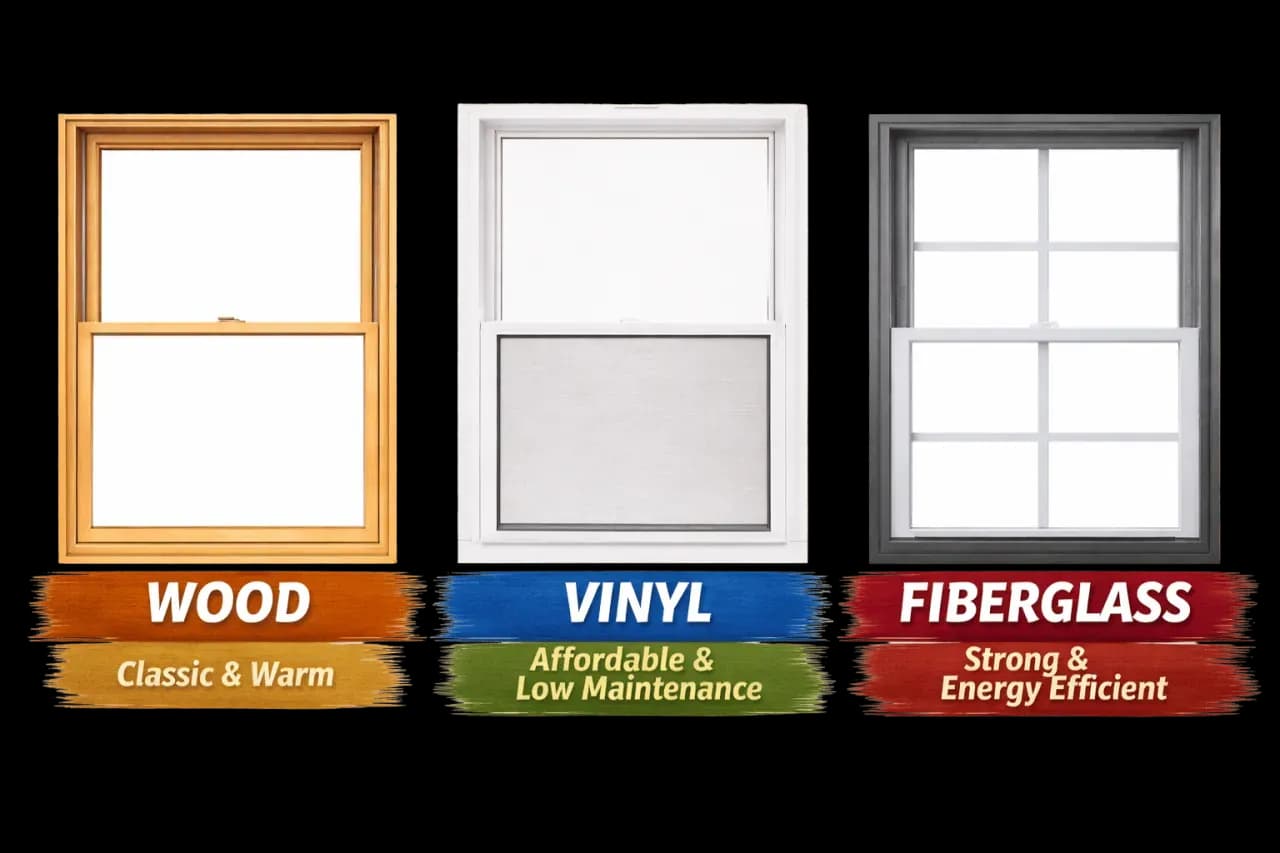
Vinyl offers excellent value, low maintenance, and good performance at the most accessible price point. It dominates the replacement window market for good reason.
Wood provides unmatched aesthetic warmth and traditional appeal but requires more maintenance and carries a premium price. Wood-clad options combine wood interiors with weather-resistant exteriors.
Fiberglass delivers superior strength and thermal performance with minimal maintenance but at the highest cost among the three options.
None of these materials is universally “best.”
Vinyl Windows: The Popular Choice
Vinyl windows account for the majority of replacement window installations nationwide. This popularity stems from a compelling combination of performance, affordability, and practicality.
How Vinyl Windows Are Made
Vinyl window frames are constructed from polyvinyl chloride (PVC), the same durable plastic used in plumbing pipes. Quality vinyl windows feature fusion-welded corners (not mechanical fasteners), multi-chambered frame construction for insulation, and reinforcement in critical areas for structural integrity.
Advantages of Vinyl Windows
Excellent value – Vinyl windows deliver outstanding performance at competitive pricing. Modern vinyl technology provides energy efficiency and durability that rivals more expensive materials, making it an intelligent choice for complete home window replacement projects.
Low maintenance – Vinyl requires no painting, staining, or sealing. The color extends throughout the material, so scratches don’t expose a different underlying color. Cleaning requires only soap and water.
Moisture resistance – Vinyl doesn’t rot, corrode, or deteriorate from water exposure. This makes it particularly suitable for humid climates or areas with significant precipitation.
Energy efficiency – Modern vinyl windows with proper glass packages and weatherstripping deliver excellent thermal performance. Multi-chambered frames provide built-in insulation.
Wide availability – Virtually every window manufacturer offers vinyl options in numerous styles, sizes, and configurations. This competition keeps prices reasonable and ensures product availability.
Get Your New Roof Now. $0 Down + No Payments Until 2028 +
Free Roof/Attic Inspection
Recent Posts
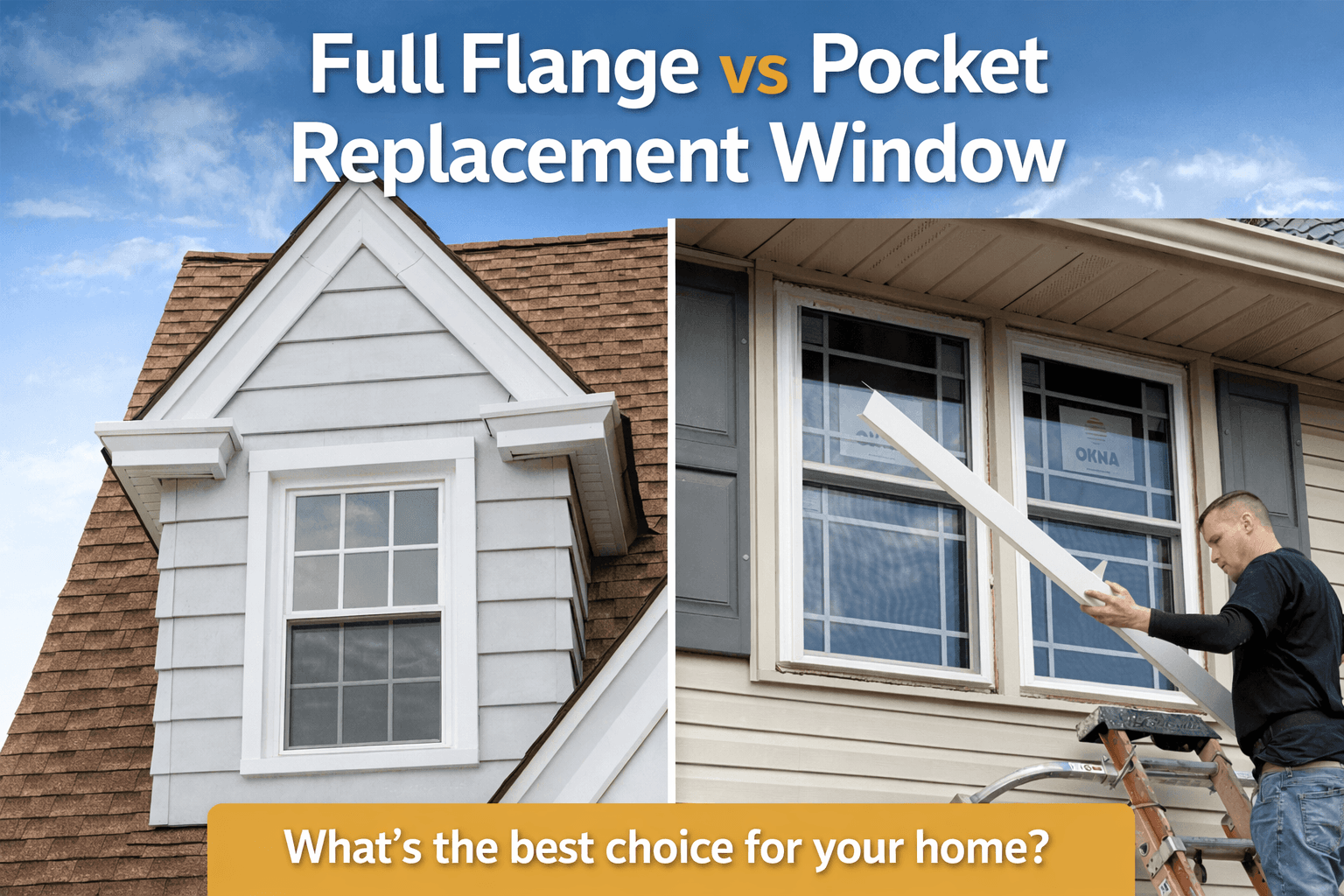
If you’re replacing windows, you’ll almost always hear two terms: full flange (new construction) windows and pocket (insert) replacement windows...
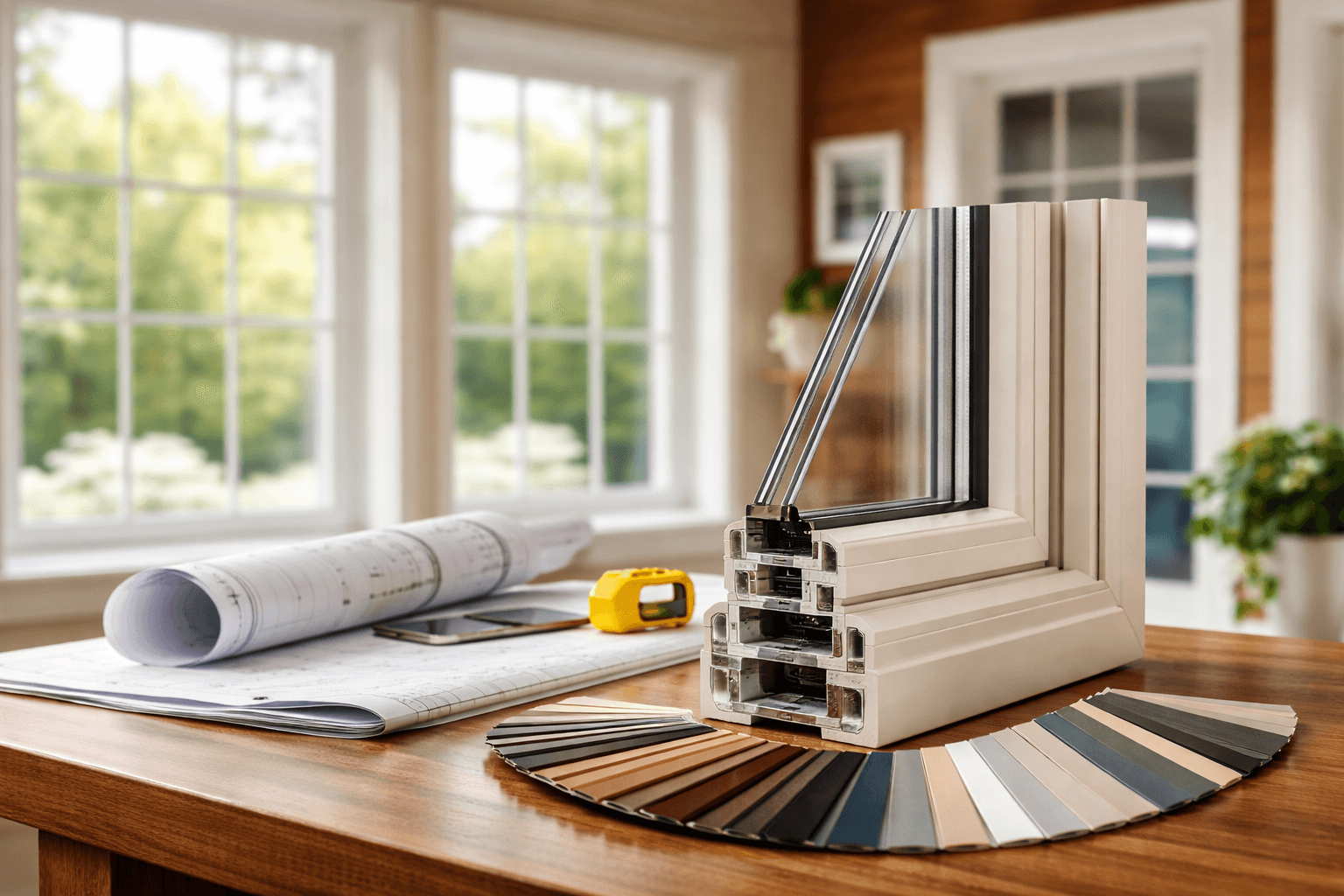
Choosing replacement windows doesn’t have to be complicated.
Contrary to popular belief, winter is an excellent time for significant home upgrades, particularly window and siding replacement...
Limitations of Vinyl Windows
Thermal expansion and contraction – Vinyl expands and contracts more than other materials in response to temperature changes. Quality vinyl windows are engineered to accommodate this movement, though extreme climates or intense sun exposure on dark-colored frames may require consideration during product selection.
Color limitations – While vinyl comes in various colors, options are more limited than fiberglass or wood. Vinyl cannot be painted or refinished effectively if you want to change the color later.
Aesthetic considerations – While modern vinyl windows offer clean, attractive profiles, some homeowners prefer the traditional character of wood for historic or period homes. In homes with wood trim details or Victorian, Colonial, or other classic architectural styles, wood windows may provide better visual harmony.
Best Applications for Vinyl
Vinyl windows make excellent sense for homeowners who prioritize performance, low maintenance, and smart value. They work particularly well in:
- Modern, contemporary, or transitional architectural styles
- Homes throughout New Jersey and Pennsylvania’s varied climate
- Full-house replacement projects
- Any home where maintenance-free performance is valued
- New construction and replacement applications
- Ranch, Cape Cod, and contemporary home styles
Current pricing: Quality vinyl windows typically range from $895-$1,595 per window installed, depending on size, style, and features.
Wood Windows: Traditional Elegance
Wood has served as a window frame material for centuries. Its continued popularity in certain applications reflects genuine advantages that other materials struggle to replicate.
How Wood Windows Are Made
Modern wood windows typically use carefully selected lumber—often pine, fir, or mahogany—joined with precision woodworking techniques. Wood-clad windows combine wood interiors with aluminum or vinyl exteriors, providing the best of both worlds: interior warmth with exterior durability.
Advantages of Wood Windows
Aesthetic appeal – Nothing matches the natural warmth and beauty of real wood. The grain patterns, texture, and visual depth create interiors that other materials cannot duplicate. For traditional, historic, or upscale homes, wood windows provide authentic character.
Customization options – Wood can be stained or painted in virtually any color. You can match existing trim, change colors during future renovations, or create custom finishes impossible with other materials.
Thermal performance – Wood is a natural insulator with excellent thermal resistance properties. Properly constructed wood windows provide outstanding energy efficiency.
Repair and refinishing – Unlike vinyl or fiberglass, wood can be repaired, refinished, and restored. Minor damage can often be addressed without replacing the entire window.
Historical authenticity – For historic home restoration or preservation projects, wood windows may be required to maintain architectural integrity and comply with historical district requirements.
Structural strength – Wood provides excellent strength and rigidity, allowing for larger glass areas with narrower frames compared to vinyl.
Limitations of Wood Windows
Maintenance requirements – Wood requires periodic maintenance to preserve its appearance and structural integrity. Interior surfaces need occasional refinishing. Exterior surfaces (on non-clad windows) require regular painting or staining every 3-7 years depending on exposure and climate.
Moisture vulnerability – Without proper maintenance, wood can rot, warp, or deteriorate when exposed to moisture. This is particularly problematic in humid climates or areas with significant precipitation.
Cost – Wood and wood-clad windows carry premium pricing, typically 100-200% more than comparable vinyl windows. For a whole-house project, this represents substantial additional investment.
Susceptibility to insects – In some regions, wood windows may attract termites or carpenter ants, potentially leading to structural damage if not addressed.
Environmental considerations – While wood is renewable, harvesting and manufacturing create environmental impacts. Sustainable forestry practices and certifications address some concerns, but questions remain.
Best Applications for Wood
Wood windows excel in specific situations where their unique advantages justify the higher cost and maintenance:
- Historic homes requiring authentic restoration
- High-end custom homes where aesthetics are paramount
- Traditional architectural styles (Colonial, Victorian, Craftsman)
- Interior-focused applications where wood’s warmth enhances décor
- Projects where customization and refinishing flexibility matter
- Homes in moderate climates with less extreme weather exposure
Current pricing: Wood-clad windows typically range from $1,595-$2,595+ per window installed, depending on wood species, size, style, and complexity.
Fiberglass Windows: Premium Performance
Fiberglass represents the newest technology among these three materials. Originally developed in the 1930s for aerospace and industrial applications, fiberglass entered the residential window market more recently and has gained recognition for exceptional performance characteristics.
How Fiberglass Windows Are Made
Fiberglass frames are manufactured through pultrusion, a process where glass fibers are pulled through a resin bath and then through a heated die. This creates incredibly strong, dimensionally stable profiles. The material is then molded into window frame components and finished with durable coatings.
Advantages of Fiberglass Windows
Superior strength – Fiberglass is approximately 8 times stronger than vinyl and 3 times stronger than wood composites. This exceptional strength allows for narrower frame profiles, maximizing glass area and views while maintaining structural integrity.
Dimensional stability – Fiberglass expands and contracts at nearly the same rate as glass itself—approximately 87% less than vinyl. This thermal stability means seals remain intact, weatherstripping stays effective, and operation remains smooth across temperature extremes.
Longevity – Quality fiberglass windows can last 50+ years with minimal maintenance, significantly exceeding vinyl’s typical 20-30 year lifespan and matching or exceeding well-maintained wood.
Energy efficiency – The low thermal expansion rate and excellent insulating properties make fiberglass the most energy-efficient frame material available. This translates to lower heating and cooling costs over the window’s lifetime.
Low maintenance – Like vinyl, fiberglass resists moisture, won’t rot or corrode, and requires minimal upkeep. Painted finishes may eventually need repainting, but this is infrequent.
Aesthetic flexibility – Fiberglass can be painted or finished to mimic wood grain, offering aesthetic options that vinyl cannot match. Some manufacturers offer factory finishes that closely resemble natural wood.
Climate resilience – Fiberglass performs consistently in extreme temperatures, from bitter cold to intense heat, without warping, cracking, or losing structural integrity.
Limitations of Fiberglass Windows
Higher cost – Fiberglass windows carry premium pricing, typically 15-30% more than comparable vinyl windows and sometimes matching or exceeding wood-clad options. This cost difference can be substantial on whole-house projects.
Limited color options – While fiberglass can be painted, factory color choices are more limited than vinyl. Custom colors typically require field painting.
Installation complexity – Fiberglass’s rigidity, while a strength advantage, requires more precise installation. Professional installation is essential, and DIY installation is not recommended.
Market availability – Fewer manufacturers produce fiberglass windows compared to vinyl. This can mean longer lead times and potentially fewer local installers with extensive fiberglass experience.
Potential maintenance of finishes – Painted fiberglass may require repainting every 10-15 years as finishes fade, though this is less frequent than wood’s maintenance schedule.
Best Applications for Fiberglass
Fiberglass windows make sense for homeowners who prioritize long-term performance and are willing to invest more upfront for superior durability:
- New Jersey and Pennsylvania homes facing extreme temperature swings
- Long-term homeowners planning to stay 20+ years
- Large windows or architectural applications requiring maximum strength
- High-performance home builds focused on energy efficiency
- Locations with harsh weather exposure
- Homeowners seeking wood aesthetics without wood maintenance
- Projects where narrow frames and maximum glass area matter
Current pricing: Premium fiberglass windows typically range from $2,095-$3,500+ per window installed, depending on size, style, finish options, and features.
Side-by-Side Comparison
This table summarizes key characteristics to help you evaluate which material best matches your priorities:
Characteristic | Vinyl | Wood/Wood-Clad | Fiberglass |
Initial Cost | $895-$1,595 | $1,595-$2,595+ | $2,095-$3,500+ |
Expected Service Life | 25-35+ years | 30-40+ years* | 50+ years |
Maintenance | Minimal | Moderate to High | Minimal |
Energy Efficiency | Good to Excellent | Excellent | Superior |
Strength | Adequate | Good | Exceptional |
Thermal Stability | Moderate | Good | Excellent |
Moisture Resistance | Excellent | Requires Maintenance | Excellent |
Aesthetic Options | Limited Colors | Unlimited Finishes | Paintable, Some Wood-Look |
Refinishing Capability | No | Yes | Yes(if painted) |
Frame Profile | Moderate to Wide | Narrow to Moderate | Narrowest Available |
Environmental Impact | Moderate | Renewable Resource | Long Lifespan Reduces Waste |
Installation Complexity | Moderate | Moderate | Higher |
Best Climate | Moderate | Any with Maintenance | Extreme/Variable |
Which Material is Right for Your Home?
Selecting the optimal window material requires honest evaluation of several factors:
Consider Your Budget Reality
Your available budget influences material choice. Each material provides value at its price point:
- Vinyl windows deliver excellent performance and proven durability at competitive pricing. The accessible price point makes comprehensive whole-house replacement feasible while still investing in quality products with premium glass packages and Low-E coatings.
- Fiberglass windows represent a premium investment that delivers extended service life, minimal maintenance, and superior energy efficiency. Though initially more expensive, the lifetime value becomes apparent over decades of reliable performance.
- Wood windows provide unmatched aesthetic beauty that some homeowners prioritize. The investment reflects both material costs and the craftsmanship required for traditional window construction.
Evaluate Your Maintenance Willingness
Be honest about maintenance commitment:
- Low maintenance preference: Vinyl or fiberglass are clear winners. Both require minimal care beyond periodic cleaning.
- Willing to maintain for aesthetics: Wood windows reward maintenance effort with enduring beauty, but you must commit to regular upkeep.
Consider Your Home's Style
Architectural compatibility matters:
- Historic or traditional homes: Wood windows often look most appropriate and may be required in historic districts.
- Modern or contemporary homes: Vinyl or fiberglass work beautifully and complement clean, minimalist design.
- Transitional styles: Any material can work depending on color, finish, and profile choices.
Think About Your Timeline
How long do you plan to own your home influences your choice:
- Any timeline: Quality vinyl windows provide reliable, long-term performance that serves homeowners well regardless of how long they plan to stay.
- Extended ownership (15+ years): Fiberglass’s longevity and low maintenance become increasingly valuable over decades.
- Forever home: Either fiberglass for maximum longevity or wood for aesthetic beauty make sense when you’ll enjoy the benefits for decades.
Factor in Your Climate Exposure
Window placement and exposure matter:
- Severe temperature swings: Fiberglass’s dimensional stability prevents seal failure and operational problems.
- Moderate conditions: Any material performs adequately.
- Harsh sun exposure: Fiberglass or vinyl outperform wood without constant maintenance.
Climate Considerations for New Jersey and Pennsylvania
Our region’s four-season climate with significant temperature variations creates specific demands on window performance. Winter temperatures can drop below zero, while summer days regularly exceed 90 degrees. This 100+ degree annual temperature range stresses window materials.
Vinyl Performance In Our Climate
Quality vinyl windows perform excellently in our region’s four-season climate. Modern vinyl formulations and proper installation ensure reliable performance across our temperature range, though color selection considerations apply for intense southern or western sun exposure with dark frames.
Wood Performance In Our Climate
Our humidity and precipitation require diligent wood window maintenance. Exposure to freeze-thaw cycles and moisture can accelerate deterioration without proper care. Wood-clad options reduce exterior maintenance while preserving interior beauty.
Fiberglass Performance In Our Climate
Our temperature extremes showcase fiberglass’s advantages. The material’s dimensional stability prevents the seal failures and operational issues that can affect other materials in variable climates.
During our 35 years serving this region, we’ve installed all three materials successfully. Your specific home’s exposure, your maintenance commitment, and your budget determine the best choice—not marketing claims about which material is universally superior.
Making Your Decision
The “best” window material is the one that best matches your specific priorities, budget, and circumstances. Here’s a decision framework:
Choose Vinyl If You
- Want excellent performance with minimal maintenance
- Prefer clean, contemporary aesthetics
- Live in a home with modern or transitional style
- Value proven, reliable technology
- Need comprehensive whole-house replacement
- Appreciate low-maintenance convenience
Choose Wood Or Wood-clad If You
- Own a historic, Victorian, Colonial, or traditional home
- Value authentic aesthetic warmth and natural materials
- Have existing wood trim and architectural details
- Are willing to invest in periodic maintenance
- Want customizable finishes and colors
- Need to match existing wood windows
- Prioritize traditional craftsmanship and character
Choose Fiberglass If You
- Plan to stay in your home long-term
- Face extreme temperature variations
- Want maximum energy efficiency
- Prefer minimal maintenance with premium performance
- Value narrow frames and large glass areas
- Are willing to invest more upfront for superior longevity
Frequently Asked Questions
Fiberglass windows have the longest expected service life, often exceeding 50 years with minimal maintenance. Quality vinyl windows provide 25-35+ years of reliable performance, while properly maintained wood windows can last 30-40+ years. Wood requires regular maintenance to achieve this longevity, while fiberglass and vinyl require minimal care. All three materials, when properly manufactured and installed, deliver long-term value.
No, vinyl windows should not be painted. The color is integrated throughout the material, and paint doesn’t adhere properly to vinyl surfaces. Unlike wood or fiberglass, vinyl cannot be refinished if you want to change colors. If color flexibility matters, consider fiberglass or wood.
For homeowners planning to stay long-term in homes with extreme temperature variations, yes. Fiberglass’s superior strength, dimensional stability, and 50+ year lifespan justify higher upfront costs. However, for moderate climates or shorter ownership timelines, quality vinyl windows provide excellent value. The answer depends on your specific situation and priorities.
Wood-clad windows require moderate maintenance—primarily interior cleaning and occasional refinishing. Full wood windows (without exterior cladding) require more significant maintenance, including exterior painting or staining every 3-7 years depending on exposure and climate. If you’re not willing to commit to regular maintenance, vinyl or fiberglass are better choices.
Fiberglass provides the best energy efficiency due to its low thermal conductivity and dimensional stability. However, the difference between premium vinyl, wood, and fiberglass windows with identical glass packages is often modest. Glass technology—Low-E coatings, gas fills, and number of panes—typically affects energy performance more than frame material.
Yes, many homeowners use different materials for different applications. For example, vinyl for most windows with wood for highly visible front façade windows, or fiberglass for large picture windows with vinyl for smaller openings. This approach balances budget, performance, and aesthetics. Ensure installations look cohesive from the exterior.
Fiberglass performs best in extreme weather conditions due to its exceptional strength and dimensional stability. Vinyl performs adequately in most conditions but may experience more expansion/contraction in temperature extremes. Wood requires diligent maintenance in harsh weather to prevent deterioration. For coastal areas or regions with severe weather, fiberglass offers the most reliable long-term performance.
Start by defining your priorities: budget constraints, maintenance willingness, aesthetic preferences, timeline in the home, and climate exposure. Then evaluate which material best aligns with those priorities. There’s no universally “best” choice—only the best choice for your specific situation. A professional consultation can help evaluate your home’s specific needs and recommend appropriate options.
Ready to Choose the Right Windows for Your Home?
At Window Place Plus, we install all three materials and can provide honest guidance based on your specific situation—not what generates the highest commission. Our 35 years of experience serving New Jersey and Pennsylvania homeowners means we’ve seen how each material performs in our climate over decades.
Schedule a Free Consultation | View Our Window Options | Read Customer Reviews
What Our Customers Are Saying
Great service and excellent pricing. Windows are great and look fantastic. I could not recommend more. If you need a painless experience without pushy salesman or prices that are astronomical, window place plus is your best choice!
Window Place Plus replaced our front door and did a great job. They were great to work with from the sales process to the install. Both our sales person, Jeff; PM, Rob; and installer, Tom were all awesome and incredibly helpful, communicative and friendly. I'll definitely be using them again in the future when we're ready to replace our siding and windows.
They did a great job. Highly recommend them they did exactly what they said they would plus Lifetime warranty on the window. You can’t beat that. I’ll definitely use them again for other windows in the future!
Jackie and Sergio were an absolute pleasure to work with. Their representative was very informative and the windows they install are beautiful and efficient! 5 stars
Thrilled with our new front door from The Window Place Plus. Tomasz was very helpful in selecting the perfect front door for our home. The choices Provia provides is unmatched and I couldn’t be more pleased with the install. I wanted to preserve our original 100 year old side lights and trim and they were able to install our new door no problem.
Had all windows in house replaced. It was a great experience from start to finish. Sales man was very knowledgeable, the windows were installed perfectly. The work crew knew what they were doing and it showed. They were responsive to any concerns I had and I am very happy with the results
Wonderful experience with The window place plus from beginning to end. It’s hard to find reliable contractors that show up and stay informative. The team was great!!! Would recommend them to everyone who is looking for window installation.




Visit Our Team
Mon-Fri: 8am – 8pm
Sat-Sun: 9am – 5pm